

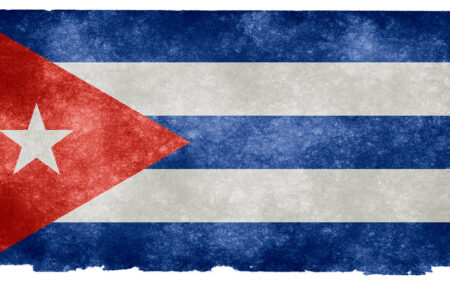
Cuba, whose communist regime managed to survived the decline of communism in the 1990s, has announced that privately owned firms employing up to 100 people will be permitted to operate.
This comes in the wake of protests that shook the island in recent weeks, during which demonstrators attacked the government for its handling of the pandemic and for the lack of freedoms more broadly.
The country’s president, Miguel Díaz-Canel, said that Cuba was taking action to ‘update’ its economic system.
This announcement followed relaxation of import regulations in July which allowed travellers to bring in such goods as food and medicine without paying customs duties.
Cuba has long suffered economic retardation, which it ascribed to the trade embargo by the United States. However, inefficacies in its centrally directed economy have limited entrepreneurship and growth. In addition, a poor sugar harvest has resulted in a severe shortage of foreign exchange.