

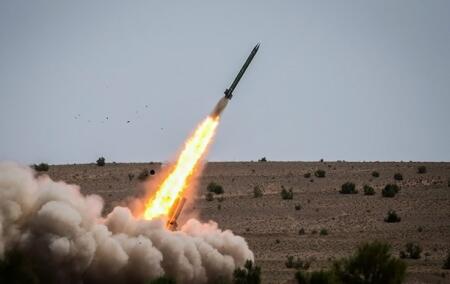
The war between Iran, Israel and the United States has entered a more dangerous phase as Yemen’s Iran-aligned Houthi movement launched missile and drone attacks on Israel, formally opening a new front in the conflict.
The strikes mark a significant escalation by the so-called “axis of resistance”, with the Houthis signalling they will continue operations and potentially target Red Sea shipping lanes, a vital artery for global trade and energy flows.
The widening conflict is already stretching across multiple theatres, including Lebanon and Iraq, while Iran continues retaliatory strikes and rejects ceasefire proposals, insisting on continued resistance. Israel has intensified attacks on Hezbollah targets in Lebanon, while the United States has deployed thousands of soldiers and Marines and additional forces to the region, raising the prospect of deeper military involvement.
The Houthis’ entry is particularly consequential because of their capacity to disrupt maritime trade through chokepoints such as the Bab el-Mandeb Strait, through which a significant share of global commerce passes. Their past attacks on commercial shipping suggest that renewed operations could compound disruptions already caused by the closure of the Strait of Hormuz, amplifying pressure on oil, gas and fertiliser markets.
Western governments remain cautious about further escalation, with debate intensifying in Washington over whether to commit ground troops despite growing military deployments. European allies have urged restraint, while diplomatic efforts involving regional powers are under way, though prospects for de-escalation remain limited.
The economic implications are already becoming apparent, with energy prices rising sharply and supply chains under strain as insurers and shipping firms reassess risk in the region. Higher fuel and transport costs are feeding into inflation globally, particularly in developing economies that are more exposed to food and energy price shocks.
Strategically, the conflict is shifting from a contained confrontation into a broader regional contest involving multiple non-state actors aligned with Iran, complicating any pathway to resolution. The longer the war persists, the greater the likelihood of miscalculation drawing in additional powers, increasing both the human and economic costs of a conflict that now extends well beyond its original flashpoints.
Sources: Reuters, AP, The Guardian
[Image: https://commons.wikimedia.org/wiki/File:Fajr-5_launchhing.jpg]