

China is rapidly expanding its economic footprint across Africa, using sweeping tariff cuts and growing trade partnerships, even as geopolitical tensions influence which countries benefit.
China has introduced a major policy granting zero-tariff access to 53 of Africa’s 54 countries, opening its market to goods ranging from agricultural produce to raw materials.
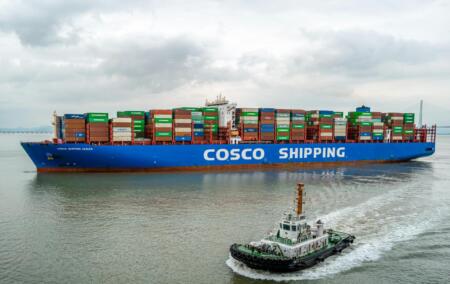
The move is already showing results. South Africa, one of the continent’s largest economies, has begun exporting produce under the new framework, with its first shipments arriving in Shenzhen. The policy has been welcomed by officials such as Trade Minister Parks Tau, who sees it as a pathway to expand exports and reduce reliance on Western markets.
Beijing presents the initiative as a “win-win” for development, and it builds on earlier efforts to remove tariffs for poorer African nations and deepen economic cooperation.
Trade between China and Africa has surged to record levels, reaching about $348 billion in 2025. But the relationship remains uneven: China exports far more to Africa than it imports, widening the trade gap.
African exports to China are still dominated by raw materials such as oil and minerals, while China supplies manufactured goods. Analysts warn that even with tariff-free access, structural issues like limited industrial capacity may prevent many African economies from fully benefiting.
Politics shape trade access
The one country excluded from China’s tariff-free policy is Eswatini, and the reason is political rather than economic.
Eswatini maintains diplomatic ties with Taiwan, making it the only African nation outside Beijing’s trade initiative.
This exclusion highlights how trade policy is tied to China’s broader diplomatic strategy. Beijing has long sought to isolate Taiwan internationally, and economic incentives or penalties are part of that effort.
The geopolitical stakes were underscored this week when Taiwan’s president visited Eswatini, reaffirming ties with the kingdom despite pressure from China.
China condemned the visit and has previously been accused of pressuring African and Indian Ocean countries to restrict Taiwan’s diplomatic movements.
Analysts say the episode reflects Beijing’s growing influence across Africa, built on years of investment, loans, and trade expansion.
Strategic shift in global trade
China’s tariff-free push also comes as global trade tensions shift. With the United States pursuing more protectionist policies, some African countries are increasingly looking to China as an alternative export destination.
At the same time, China’s approach reinforces its position as Africa’s largest trading partner and a central player in the continent’s economic future.
China’s trade expansion in Africa is real and accelerating, but it is not neutral. Market access is growing, especially for countries aligned with Beijing, while political alignment continues to shape who benefits most.
[Image: https://www.pexels.com/photo/cargo-ship-sailing-on-the-sea-19954172/]
[Sources: Reuters, Daily Maverick, AP]