
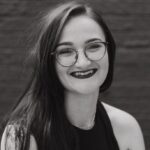
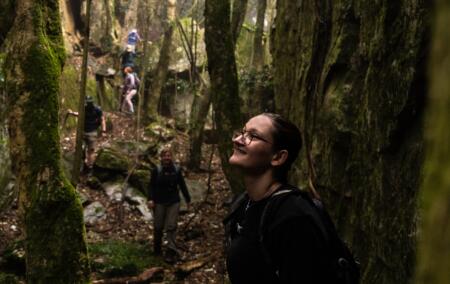
On the second morning of our walk, it was almost completely silent, nothing but the trail ahead of us and the sound of our own footsteps. As I paused just then, I found myself thinking: “I wish more people could see what I see right now, and feel the magic I feel.” The thought that followed was harder: if only our economy allowed more South Africans the freedom to do the same.
About a month ago, I walked the Kaapschehoop Klein Camino in Mpumalanga. Hiking is a hobby of mine that lets me breathe in fresh air and clear my head. But this piece is not really about hiking. It is about the freedom to move through this beautiful country, and about who gets to enjoy it.
The challenges we face
I will not pretend the challenges are not real. According to Stats SA, the official unemployment rate reached 33.6% in the second quarter of 2026. Among young people between 15 and 34, it stood at 47.4%. Behind those percentages are people, and many of them are our friends, siblings, and neighbours.
I should be honest about my own position. I saved for this trip and worked hard to make it happen, and I am grateful for that. But I also know that when jobs are scarce, no amount of hard work or careful saving puts a trip like this within everyone’s reach. Many South Africans cannot afford a weekend away, let alone four days of walking. That is exactly why this conversation matters.
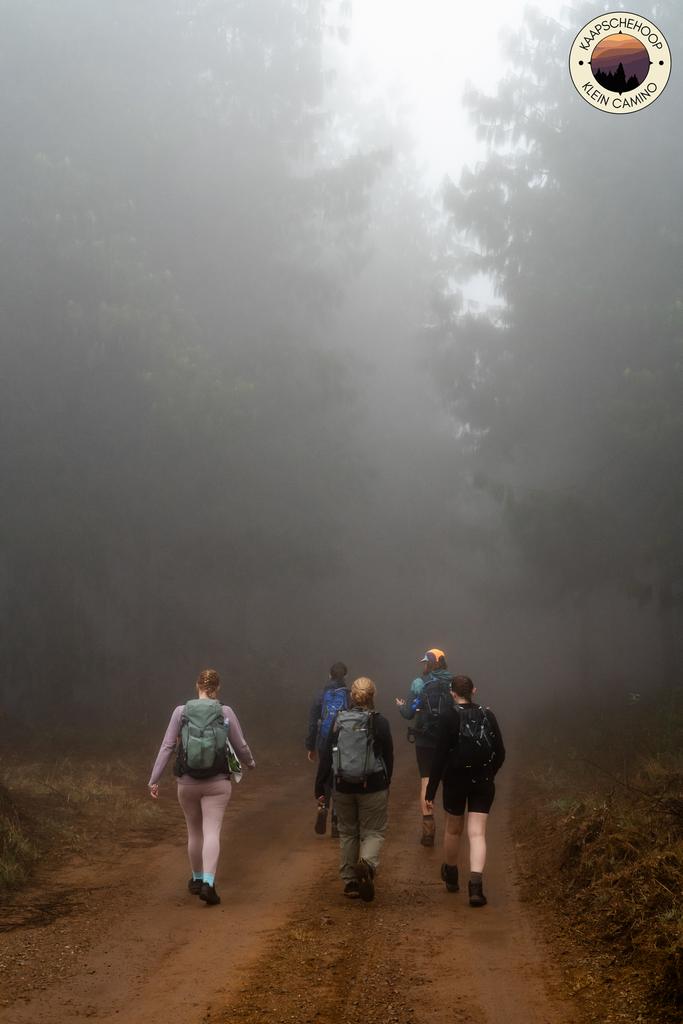
[Image: Mia Louw, freelance journalist and Kaapschehoop Klein Camino]
Four days around Kaapschehoop
Our guides, Hanco and Mia Louw, led us along the escarpment, where hikers can slow down and notice the big and small wonders of a pilgrim’s journey. Wild horses and donkeys roam freely around Kaapschehoop. Every day, Hanco and Mia spoiled us with date balls, coffee, and genuinely interesting conversation.
Although I am an experienced hiker, this was my most mentally challenging hike. As the name suggests, a Camino is a pilgrimage, so you spend hours alone with your own thoughts and must learn to conquer them. Here is what I took from mine – the ability to remove yourself from everyday life becomes the reason you fight for a better life once you are back in it. It is the moment you remember why you still live in South Africa, and why you want the country to improve.
Why the fresh air works
Back home, I wondered whether my clear head was more than a feeling. It turns out there is research to support it. A study led by the University of Exeter, covering nearly 20,000 people in England, found that those who spent at least 120 minutes a week in nature were significantly more likely to report good health and higher psychological wellbeing than those who did not visit nature at all. It made no difference whether those two hours came in one visit or several shorter ones.
To be fair, the study was cross-sectional and relied on self-reported health, so it shows an association rather than proof of cause. Still, two hours a week is a modest ask for a boost to your wellbeing.
Outdoors and our economy
Getting outdoors at home also supports our economy. Stats SA’s Tourism Satellite Account shows that the tourism sector in 2024 supported 953,981 direct jobs, or 5.7% of the country’s labour force. The country also welcomed 10.5 million tourists in 2025, up 17.7% on the year before. Every guide, guesthouse owner, and coffeemaker on a trail like ours is part of that story.
But tourism cannot carry the country alone. The Institute of Race Relations (IRR) argues in its Blueprint for Growth series that South Africa needs bold reforms capable of delivering much faster economic growth and more jobs, and it sets out proposals it believes could sustain growth of 7% within a decade, provided the electricity constraint is removed and policy is reformed. This matters for women. Stats SA has noted that women are less likely than men to be in paid employment, and that their unemployment rate is higher. A growing economy that creates jobs is therefore also one that gives more women the economic independence that makes freedom real.
Not all freedom is experienced equally
Yet the freedom to walk outdoors is not experienced equally. Gender-based violence continues to restrict the lives of women and girls, turning ordinary activities such as walking, commuting, or exercising outdoors into calculations about risk. A country cannot claim meaningful freedom of movement while so many women must change their routines, avoid public spaces, or depend on others simply to feel safe.
The scale is sobering. The South African Human Rights Commission reports that 569 women were killed between April and June this year, an average of six a day.
The recent killings of women in Ekurhuleni make that reality impossible to ignore. By 28 September, 12 women had been found dead in the area since July. Police have said they cannot rule out a serial killer, but they stress that no link has been established between the latest shooting and the other cases. The distinction matters, because speculation must not outrun the investigation, but neither should uncertainty weaken the urgency of protecting women, identifying the victims, and bringing those responsible to justice.
Behind every one of those numbers is a woman who had somewhere to be, someone waiting for her and a future she should have been allowed to walk into.
Fighting for freedom
It is easy to write “we must fight for this” and leave it there, so here is what I mean. Get outside and aim for those two hours a week, whether in a park, on a trail or around your neighbourhood. Spend locally by booking a local guide, staying at a family-run guesthouse, or visiting a small café, because doing so keeps money and jobs in our communities. Back growth and jobs by following and engaging with the policy work of organisations such as the IRR, and ask leaders about their plans for the economy. Look out for one another by walking with friends, checking that people get home safely, and taking women’s fears seriously. Speak up too.
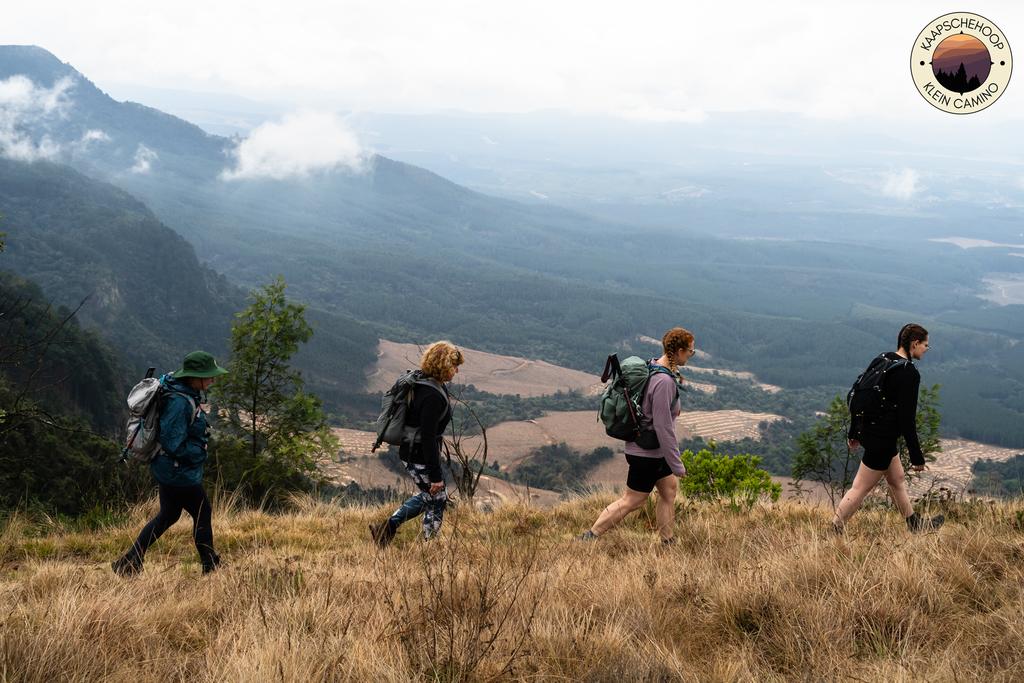
[Image: Mia Louw, freelance journalist and Kaapschehoop Klein Camino]
The freedom to move
So, this is what I am fighting for – the freedom of every individual, every woman, every man, to move and express themselves freely in South Africa. I want us to have the economic strength to do so, and to feel encouraged by the idea of setting off on a new journey.
Imagine a country where you have all these things. Would you fight for it? I would, and I would not have come to that realisation had I not stopped to feel the magic.
[Image: Elnieke Bronkhorst on the Kaapschehoop Klein Camino in Mpumalanga. Mia Louw, freelance journalist and Kaapschehoop Klein Camino guide]
If you like what you have just read, support the Daily Friend