

The crisis over contaminated water in Bronkhorstspruit is ultimately due to sheer dereliction of duty by the Mayor of Tshwane, Nasiphi Moya, and senior officials.
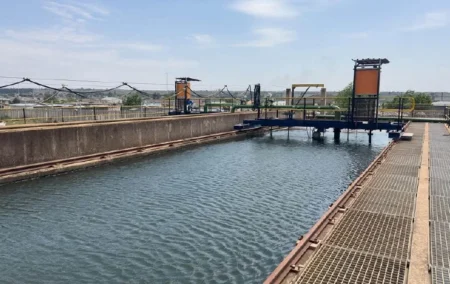
By Monday, the number of gastrointestinal cases had risen to 833, many of them children and infants living around Bronkhorstspruit, an area to the east of Tshwane. That’s due to the failure by the Bronkhorstspruit Water Treatment Plant to treat water with chlorine for about three weeks. It is also due to the failure of the water treatment plant to follow a plan laid out by the national Department of Water and Sanitation back in February.
Yes, lack of investment over many years plays a role, but an alert and caring municipality could have averted the disaster by acting with urgency on the matter of chlorine supplies.
All that allowed water contaminated by E. coli from upstream human and animal sewage to flow into household taps.
It could have been a lot worse. Common waterborne diseases and pathogens include cholera, typhoid fever, hepatitis and dysentery, which are often killers.
On the eve of the local government elections next week, Moya and the Tshwane municipality are facing national outrage for a massive failure that could have easily been addressed.
So here is an ActionSA Mayor failing miserably at her task, while the party’s campaign posters in Tshwane declare, “5 More years”.
Moya heads a ten-party coalition that includes the ANC, the EFF and seven smaller parties. As for ActionSA’s coalition partners, they should feel duty-bound to at least ask the right questions.
Water politics is a big issue in Tshwane. The ANC and other parties blamed the DA, which led the coalition government in Tshwane from 2016 to 2024, for the 2023 contamination of a nearby river and dam from the Rooiwal Wastewater Treatment Works. That led to about 30 deaths and hundreds of people being hospitalised with cholera. At least the DA’s then Mayor, Cilliers Brink, who is now the party’s Mayoral candidate, could say that the party had been trying to turn around the wastewater plant since it came into office.
The current crisis in Bronkhorstspruit is not about to go away as it comes across as the result of a don’t care attitude to the management of public facilities.
Rightfully, the Mayor may have to face serious consequences.
The Department of Water Affairs and Sanitation has opened a criminal complaint, and the Public Protector and the SA Human Rights Commission have launched investigations. And the DA mayoral candidate in Tshwane, Cilliers Brink, has said it will submit public access requests to records that relate to the water crisis, including WhatsApp messages and emails.
Contrary to the Mayor’s claims that she had no idea about the Bronkhorstspruit treatment plant’s poor state, a Sunday Times report suggests that the Tshwane metro ignored warnings about the poor quality of the water months before people fell ill. Since February, Moya and her senior officials received at least three reports on the poor water quality at the plant, the Sunday Times reported.
According to the paper, after the water affairs department issued a letter of non-compliance, the city came up with an action plan, but this was not implemented.
If validated, that shows senior officials and ultimately the Mayor could just not be bothered to deal with the problem, until it became public.
Ultimately, on 13 October, Tshwane issued a statement saying that the water in Bronkhorstspruit was not fit for human consumption. The following day, the water affairs department inspected the plant and said no chlorine had been used at the plant since 23 September.
Once chlorine levels had fallen below a certain level, why did the plant not replenish stocks? If the supplier had quadrupled prices, as Moya claims, why were alternate sources not sought or chlorine supplies not borrowed from other plants?
Seeing to it that the Bronkhorstspruit water treatment plant was repaired should have been made a priority. The Mayor should have made funds available and pushed for urgent action since she received the water affairs department’s report in February.
Since 1994 a lot more people – 87 per cent of the population – have access to piped water, but the infrastructure to provide this is ageing and increasingly failing. Municipal mismanagement and an insufficient number of engineers mean the multiple warnings of a national water crisis have to be taken a lot more seriously.
The ability to do the basic job of providing water and proper sewage treatment is a basic indicator of sound governance and ability to protect public health.
In Makhanda in the Eastern Cape, the municipality is looking into possible water contamination of municipal supplies. Last week, more than a hundred Rhodes University students fell ill with gastrointestinal issues. According to the university, local doctors have seen multiple similar cases throughout the Makhanda area.
Last week, President Cyril Ramaphosa launched a plan for reform of the country’s system of local government. It could bring about a complete revamp of municipal functions, including that for water services.
The launch of the Revised White Paper on Local Government came just a fortnight before next week’s municipal elections and appears to be an ANC attempt to rescue itself at the polls to get across the message, “we actually do have a plan.” But there are some good ideas in the plan.
One of the proposals is that in cases where there is inadequate municipal capacity in certain areas, responsibility would be handed over to either national or provincial government. That might make better use of existing capacity throughout the state to address problems. But capacity is also stretched at the national and provincial levels of government. Why not look to an incentivised private sector to solve a wider range of issues?
There is also a proposal in the White Paper to ring-fence municipal revenue from sales of water and electricity. That is a positive proposal and could ensure a more secure revenue source for required investment and maintenance.
Significantly, the proposed separation of the service provider role from the service authority role—the regulator and policymaker—could allow the private sector to run water treatment works. Public–private partnerships would allow private companies to operate and upgrade the water and electricity infrastructure.
That will be progress, if the contracts to run water plants and sewage treatment plants don’t go to the cadres. One needs properly incentivised managers and people who actually care.
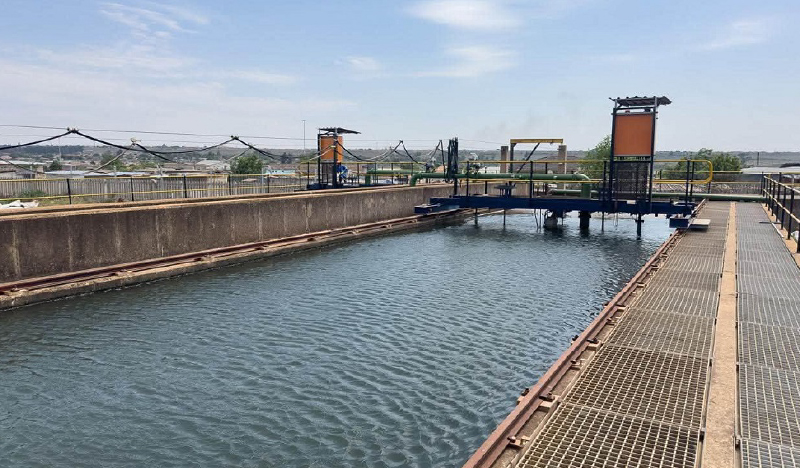
[Image: Bronkhorstspruit Water Treatment Plant]
The views of the writer are not necessarily the views of the Daily Friend or the IRR.
If you like what you have just read, support the Daily Friend