

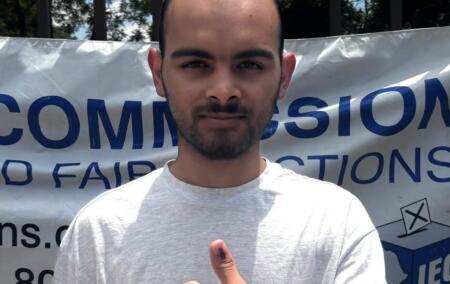
The stroll to my voting station was anything but pleasant. Johannesburg’s decay was evident every step of the way as I walked down what remained of the pavement alongside Alamein Road, the main road connecting the southern suburbs of Robertsham and Turffontein. A fallen light pole. An illegal dumpsite. Pothole-ridden, unpainted roads. The permeating stench of urine and dead rats. Every few metres, the beseeching countenances of candidates promised to fix it all, if given a chance.
It is 4 November 2026, the day of reckoning for incumbent political leaders. Registered voters in each of the 257 municipalities will have until 21:00 to shape the fate of those in power.
They will show up at their nearest voting station, stand in a queue – come rain or sunshine, leave an X next to the names of their preferred candidates and parties, and drop the ballot sheets into cardboard boxes. We live in a democracy and are proud of it.
Why bother at all?
There are various possible answers to this question.Some will attempt to convince you to vote by uttering some vague sentiment about “civic duty”.
Others will implore you to vote by invoking the heroic individuals who fought against apartheid to secure the franchise you enjoy today. The curmudgeons will say you’re “part of the problem” if you don’t vote to improve our conditions. The reasons come in many forms.
At the heart of it, you vote to choose your representatives.An election is an opportunity for the electorate to have a say in who will govern their ward, municipality, city, province or country for the next five years.
This stands on the Hobbesian assumption that individuals will submit to a form of authority, if only to keep the peace. Better to have a say in who dominates you, than not.
Many will elect not to elect.
They will abstain because they haven’t been drawn by any political party. They will abstain because they could not make it to the voting booth. They will abstain to express dissatisfaction with the system. They will abstain because they’re indifferent.That is their choice, lamentable though it may be.
I have given a political party the mandate to exercise power on my behalf. It may enter a coalition government and run the city, or it may remain on the opposition benches and hold the incoming crop of leaders accountable.
Either way, I can rescind the mandate in 2031 should I be displeased with the way they use (or abuse) my mandate.
I have exercised agency in a way people living under dictatorships can only dream of.
[Image: Zāhid Jadwat, on his third day at work as Assistant Editor of the Daily Friend, after voting at the Reuven Retirement Village in Johannesburg]
If you like what you have just read, support the Daily Friend